in a globalized internet environment, network security and privacy protection are particularly important. especially for some users, blocking japanese server addresses may be an important means to protect personal information and avoid unnecessary interference. this article will introduce in detail several effective methods and techniques for blocking japanese server addresses to help users improve network security.
before discussing how to block japanese server addresses, you first need to understand how japanese servers work. servers in japan usually provide services through dynamic or static ip addresses, and users access these servers to obtain various information or services. however, these servers can also be the target of cyberattacks and may even leak users' personal information. therefore, understanding how these servers work can help users take effective protective measures.
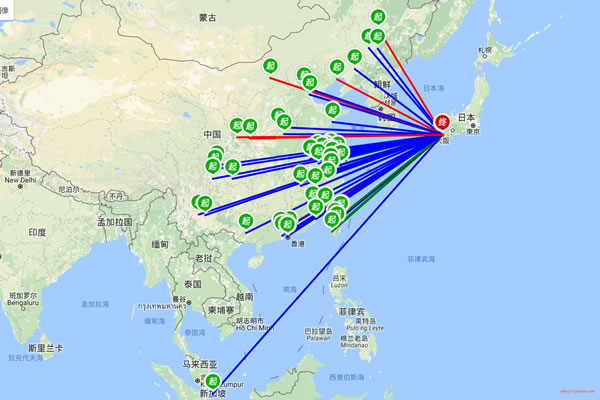
firewall is an important part of network security and can effectively prevent unnecessary access. users can configure firewall rules to specify that connections to japanese servers are prohibited. specific steps include logging into the firewall management interface, entering rule settings, and adding blocking rules for japanese ip segments. in this way, any requests from japanese servers will be automatically blocked, improving network security.
modifying the computer's hosts file is also an effective method. by adding the ip addresses of japanese servers in the hosts file and pointing them to a local address (such as 127.0.0.1), users can effectively block access to these servers. the operation steps are relatively simple. the user only needs to find the hosts file, add the corresponding mapping relationship between the ip address and the local address, and it will take effect after saving. this method is suitable for users with a higher technical level.
a virtual private network (vpn) not only provides network encryption services, but also helps users block specific server addresses. by choosing a vpn service that does not include japanese servers, users can automatically circumvent connections to these servers. at the same time, vpn can also hide the user’s real ip address, further improving network privacy protection. however, when choosing a suitable vpn service, users need to pay attention to its security and stability.
proxy servers are also an effective tool for blocking japanese server addresses. by setting up a proxy server, users can filter out requests from japanese servers through the proxy when accessing the internet. in the settings of the proxy server, you can configure rules to restrict access to specific ips to achieve the blocking function. this method is suitable for users who need flexible access to network resources.
blocking japanese server addresses is not a one-time task. over time, server ip addresses may change and new japanese servers may appear. therefore, users need to monitor network traffic regularly and update blocking rules in a timely manner. this can be achieved through the use of traffic monitoring tools, ensuring that any potential security breaches are dealt with promptly.
in addition to technical means, users’ own awareness of network security is also crucial. understanding common cyber attack methods, regularly updating passwords, using complex password combinations, and avoiding visiting unsafe websites can effectively reduce the risk of personal information leakage. only by improving network security awareness and combining technical means can personal privacy be more comprehensively protected.
there are many methods and techniques for blocking japanese server addresses. users can choose the appropriate method according to their needs and technical level. whether through a firewall, modifying the hosts file, using a vpn or a proxy server, these methods can effectively improve network security. on this basis, it is equally important to improve one's own network security awareness. users are advised to check network settings regularly and remain vigilant to ensure the security of personal information.
- Latest articles
- Technical Staff Analyzed Packet Loss And Routing Switching Phenomena When Zaozhuang Visited Hong Kong CN2 Slowly
- Purchase Channel Analysis: Assess Whether The US Private VPS 120 Information Network Is Trustworthy
- Long-term Stability Research: How Is Japanese CN2? How To Choose The Right Supplier
- Types And Selection Recommendations For Native Japanese IP Routes Safeguard Cross-border Business
- Field Test Report And Latency Analysis Of Performance Differences Between Vietnam's CN2 VPS And Standard Lines
- Price Transparency Comparison Platform Inventory Helps You Find The Real Prices Of US Class A Servers
- A List Of Network And Latency Metrics You Must Confirm Before Purchasing A Genshin Impact Taiwan Server Cloud Host
- How To Set Up A VPS On TikTok Singapore Video Upload And Automate Script Deployment Guide
- The Value Of Vietnamese Native Residential IPs In Localization Testing And Real User Behavior Simulation
- On Which Server Are Japanese Players On? Choose The Game Zone That Best Suits Your Time Zone And Gameplay
- Popular tags
-
Discuss The Naming Reasons And Background Of Japanese Servers
this article explores the reasons and background of the naming of japanese servers, and analyzes its importance and cultural impact in network technology. -

How To Choose The Cn2 Line Back To Japan To Get The Best Speed
this article explores how to choose a cn2 line back from japan to obtain the best network speed, and provides practical advice and professional guidance. -

To Increase The Success Rate, When It Comes To Using Native Japanese IPs, It Still Depends On Factors Such As The Appropriate Network Configuration And Encryption Techniques
When Japanese-native IPs still cannot access the target service, this article provides professional and practical optimization suggestions from the perspectives of network configuration and encryption. These suggestions cover areas such as DNS, TLS/SNI, tunnel configuration, IPv6, MTU, and compliance considerations, to help increase the success rate while ensuring compliance and security.